The toy industry plays a significant role in childhood development, but safety is paramount. According to a report by the Toy Association, over 2.5 billion toys are sold annually in the U.S. alone. This immense market underscores the importance of rigorous safety measures. What are the safety testing requirements for custom toys? Manufacturers must address various criteria to ensure children's safety.
Custom toys must undergo extensive testing for harmful substances, design flaws, and physical hazards. The ASTM International and CPSIA provide guidelines to evaluate potential risks. In 2021, over 10,000 toy-related incidents were reported, highlighting the necessity of compliance with safety protocols. Awareness of these testing requirements can help prevent accidents and build consumer trust.
Despite established standards, inconsistencies in testing practices exist across manufacturers. Some companies may prioritize cost over compliance, potentially endangering children. Continuous education and commitment to best practices are crucial for manufacturers. Ensuring adherence to safety testing requirements is not just about meeting regulations; it reflects a dedication to child safety and well-being.
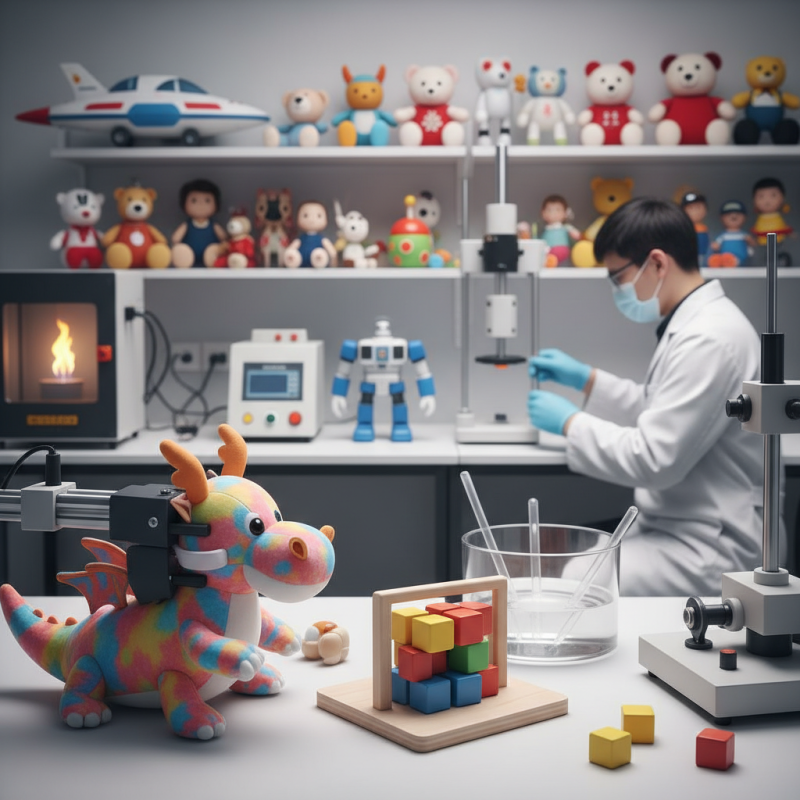
Top 10 Safety Testing Requirements for Custom Toys
Creating custom toys is a rewarding experience, but safety must always come first. Understanding the top safety testing requirements can help ensure that your products are safe for children. Testing for choking hazards is crucial. Small parts can be dangerous for young children, so always assess the design carefully.
Another important aspect is evaluating chemical safety. Many materials can contain harmful substances. Testing for lead, phthalates, and other toxic elements is essential. Using non-toxic paints and finishes adds another layer of protection. Parents want assurance that the toys they buy for their children are safe.
Tips: Always keep safety at the forefront of your design process. Regularly review the standards set by relevant authorities. Get feedback from parents and caregivers to identify potential issues. Don't overlook any detail, no matter how small. The goal is to create a safe, enjoyable product that meets the highest standards. A continuous commitment to safety and quality can enhance your reputation significantly.
Understanding ASTM F963: Essential Toy Safety Standards Compliance
ASTM F963 is a critical standard for toy safety, especially for custom toys. Compliance with these regulations ensures that toys are safe for children. This standard outlines various requirements, including physical, mechanical, and chemical properties. According to industry reports, around 20% of recalled toys fail to meet these essential safety standards.
The standard emphasizes specific tests such as the use of small parts to prevent choking hazards. It also assesses sharp edges and points, where over 200 children visit emergency rooms annually due to such injuries. Additionally, chemical testing is crucial. Toys should contain no harmful substances. In fact, studies indicate that nearly 15% of toys tested had elevated levels of phthalates, which can pose health risks.
Understanding ASTM F963 isn’t only about compliance; it's about building trust. Parents rely on safety certifications for peace of mind. Yet, many manufacturers still struggle to meet these evolving requirements. Investing in safety testing can seem overwhelming. However, the long-term benefits far outweigh initial costs as it enhances brand credibility and protects children.
Evaluating Lead Content: Maximum Limits for Toy Materials and Paints
When evaluating lead content in custom toys, understanding maximum limits is crucial. The U.S. Consumer Product Safety Commission (CPSC) enforces strict guidelines. These regulations set the lead limit for paint and surface coatings at 90 parts per million (ppm). Additionally, the limit for accessible substrates commonly used in toys is 100 ppm. Exceeding these thresholds poses serious health risks to children.
The presence of lead in toys can lead to severe neurological impairment in young children. For instance, a study published by the American Academy of Pediatrics revealed that lead exposure can result in learning difficulties. Furthermore, many manufacturers test their products inadequately, sometimes skipping crucial steps. Industry reports show that around 15% of tested toys fail to meet safety standards. This statistic highlights the need for a more rigorous testing culture.
Even with existing regulations, challenges persist. Some toys are imported from countries with less stringent laws. These toys may contain harmful levels of lead, raising issues about imports. Parents often assume toys on store shelves are safe, but vigilance is necessary. Testing processes need transparency, and public awareness should increase. Moreover, businesses must prioritize safety, asking tough questions about supply chains and testing methodologies. The commitment to safety should start before production, not as an afterthought.
Assessing Mechanical Safety: Testing for Choking Hazards in Small Parts
When designing custom toys, mechanical safety is paramount. One major concern is choking hazards. Small parts can pose serious risks to young children. Items like buttons, wheels, or small figures are common culprits. They can easily be swallowed or inserted into the throat. This is where rigorous testing becomes crucial.
Every toy must undergo specific assessments to identify potential choking hazards. This testing often involves a small parts test, which simulates what a child might do. For example, any piece that fits through a cylinder with a diameter of 1.25 inches is considered a choking hazard. The materials used and how they are assembled also matter. Poorly secured parts can break off, adding to the danger.
Despite following established guidelines, designers sometimes overlook small details. A minor change in design might unintentionally create new hazards. Ongoing reflection during the design process is essential. Regularly updating safety testing protocols can mitigate risks. It keeps toys safe and enjoyable for children, which is the ultimate goal.
Top 10 Safety Testing Requirements for Custom Toys - Assessing Mechanical Safety: Testing for Choking Hazards in Small Parts
| Testing Requirement |
Description |
Applicable Age Group |
Test Method |
Standard Reference |
| Choking Hazard Assessment |
Evaluate small parts to ensure they do not fit into a choking hazard test cylinder |
Children under 3 years |
Visual and mechanical assessment |
ASTM F963-17 |
| Sharp Edges and Points |
Check for any sharp edges or points that could injure a child |
All age groups |
Visual inspection |
CPSC guidelines |
| Mechanical Strength |
Assess the mechanical integrity of toys to withstand reasonable use |
All age groups |
Static and dynamic testing |
ISO 8124-1 |
| Tensile Testing |
Ensure that parts cannot be pulled apart easily |
Children under 3 years |
Tensile testing machine |
ASTM F963-17 |
| Chemical Safety |
Test for harmful substances including lead and phthalates |
All age groups |
Chemical analysis |
ASTM F963-17 |
| Small Ball Test |
Evaluate if toys can fit in a small ball test to prevent choking |
Children under 3 years |
Ball test criteria |
CPSC guidelines |
| Battery Checking |
Ensure battery compartments are secure to prevent access |
All age groups |
Visual inspection and mechanical testing |
ISO 62115 |
| Fluid Leakage Test |
Check for leaks in toys that may contain liquid |
All age groups |
Fluid resistance testing |
ASTM F963-17 |
| Labeling Assessment |
Ensure labels provide age guidance and hazard warnings |
All age groups |
Visual inspection |
CPSC guidelines |
Analyzing Flammability Tests: Ensuring Toy Safety Against Fire Risks
Flammability testing is a critical aspect of ensuring toy safety. Toys must meet specific standards to minimize fire risks. According to the Consumer Product Safety Commission (CPSC), over 12,000 fire-related injuries occur annually in the United States. Many of these involve children's toys. Understanding how materials react to flames can save lives and prevent severe injuries.
One prevalent concern is that some toys utilize synthetic materials, which can ignite easily. Testing assesses whether a material burns slowly or rapidly. A study by ASTM International indicates that toys made from flame-resistant materials significantly reduce ignition risks. It is vital for manufacturers to source materials that undergo rigorous flammability tests. Not doing so can lead to oversight and pseudo-safety claims.
However, current testing protocols have room for improvement. Professionals note that some tests do not simulate real-life scenarios accurately. This discrepancy could lead to a false sense of security. Regular consultation with safety experts and updating testing methodologies is essential. A focus on innovative material research can further strengthen toy safety against fire hazards. Awareness and diligence can make a difference in crafting a safer play environment for children.
Top 10 Safety Testing Requirements for Custom Toys
This chart illustrates the top safety testing requirements for custom toys, with a focus on the flammability test among others. The scores represent the level of emphasis on each testing requirement, highlighting the critical nature of flammability and toxicity in ensuring toy safety.
Examining Chemical Safety: Compliance with EN 71 for Toxic Substances
When it comes to toy safety, chemical safety plays a crucial role. Compliance with EN 71 standards helps ensure that toys are free from toxic substances. EN 71 is a European standard that evaluates the safety of toys. It covers various aspects, including the detection of hazardous chemicals.
A recent study revealed that about 20% of toys sampled contained harmful substances. These included heavy metals and phthalates, alarming to parents. The EN 71 standard outlines specific limits on these toxic chemicals. For instance, cadmium levels must not exceed 0.005%. Ensuring compliance helps protect children's health.
Testing for toxic substances is not just about passing regulations. It is vital for building consumer trust. Many parents prefer toys that meet strict safety standards. Failure to comply can lead to recalls and damage to reputation. Companies should prioritize transparency in their testing processes.
Regular audits and updates on compliance ensure that toys remain safe over time. Awareness and vigilance in toy safety can make a significant difference in the industry.
FAQS
: Choking hazards are a significant concern. Small parts can pose risks to young children.
Test materials for harmful substances like lead and phthalates. Use non-toxic paints for added safety.
The lead limit for paint is 90 parts per million. Accessible substrates should not exceed 100 ppm.
Lead can cause severe neurological impairment. Testing protects children's health and development.
Not necessarily. Some toys may come from countries with weaker safety regulations.
Regular reviews are essential. Stay updated on standards to ensure ongoing safety.
Understand and follow rigorous testing methods. Engage in transparency about testing results.
Feedback can identify potential hazards. It’s vital for refining designs and enhancing safety.
Vigilance is necessary. Scrutinize imports to ensure they meet safety standards.
Safety should be a priority from the beginning. It must not be an afterthought in production.
Conclusion
In the realm of custom toys, understanding "What are the safety testing requirements for custom toys?" is crucial for ensuring the well-being of children. This article delves into the top ten safety testing requirements, highlighting key standards such as ASTM F963, which outlines essential compliance measures for toy safety. Critical aspects include evaluating lead content to meet maximum limits for materials and paints, assessing mechanical safety to identify choking hazards posed by small parts, and analyzing flammability tests to protect against fire risks.
Additionally, the article examines chemical safety regulations, specifically compliance with EN 71, which addresses the presence of toxic substances in toys. By adhering to these rigorous testing requirements, manufacturers can not only ensure their products are safe for children but also build trust with consumers and meet industry standards.

 Kasten Toys