How to Safeguard Your Original Toy Design from Copycats?

Time:2026-05-31 Author:Ethan
0%

In the dynamic world of toy design, originality is key. Many designers face the challenging question: "How to protect my original toy design from being copied?" Navigating intellectual property rights can feel overwhelming. Protecting your creation requires a blend of strategy and awareness.

Patents, copyrights, and trademarks are essential tools. Each offers specific protections. However, they're not foolproof. Many designers encounter obstacles, such as high costs and complex paperwork. It prompts reflection on what steps are truly necessary. It’s crucial to understand that even with protection, enforcement remains a challenge.

Building a strong brand can also deter copycats. Engaging the community and fostering loyalty gives an edge. Yet, how do we balance creativity with legal safeguards? This ongoing journey is about more than just defense; it's about celebrating your unique vision in a competitive marketplace. Every decision shapes your path forward.
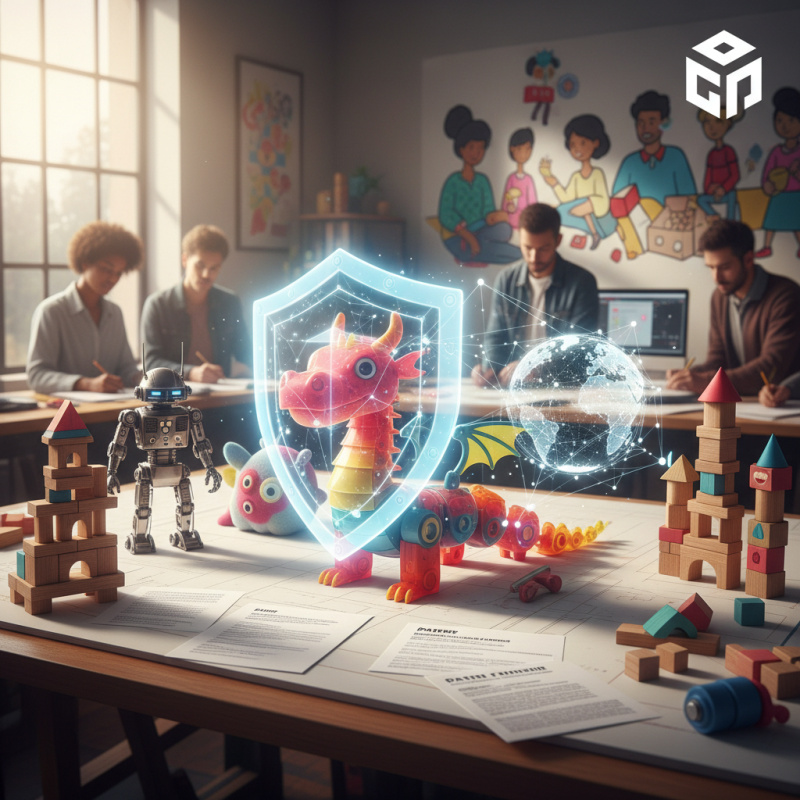
How to Safeguard Your Original Toy Design from Copycats?

Understanding Intellectual Property Rights for Toy Designs

When creating a unique toy design, understanding intellectual property rights is crucial. A report by the International Toy Association highlights that 90% of toy designs face threats from copycats. This statistic emphasizes the importance of protecting your work through copyright and trademarks. These legal tools can help safeguard your creativity and investment.

Copyright applies to original works, including toy designs. Registration provides legal proof of ownership. A toy designer can defend their design against unauthorized copies. However, the process can be complex. Many designers overlook the need for timely registration, which may lead to costly legal battles later on.

Trademarks protect the branding associated with your toys. They create a distinct identity in the marketplace. According to the World Intellectual Property Organization, businesses that register trademarks experience 50% less infringement. Yet, many small toy businesses struggle to navigate the application process. Engaging professionals in intellectual property can offer essential guidance. Consider reaching out for advice before it's too late. Protecting your designs from copycats isn't just smart; it's necessary for long-term success.

Intellectual Property Rights Awareness for Toy Designers

This chart illustrates the importance level of various types of intellectual property rights for toy designers. Patents are deemed most important, followed by trademarks, copyrights, and trade secrets. Understanding these can help safeguard original toy designs from copycats.

Conducting a Thorough Patent Search Before Filing

Conducting a thorough patent search is essential for safeguarding your original toy design. Before filing a patent application, ensure you understand what already exists. A comprehensive search helps identify potential conflicts with existing patents. This way, you avoid wasted time and resources on ideas that may be unprotectable.

Start by exploring various databases, including national patent offices and online patent search tools. Look for designs similar to yours. Reading the details in these patents can shed light on nuances that might impact your application. It's a complex process, often leading to frustration. You might discover designs that resemble your concept, making you question your originality.

Engaging with a patent attorney can enhance the accuracy of your search. These professionals understand patent law and can guide you through the intricacies. However, even with expert help, there's no guarantee. Sometimes, even thorough searches yield surprises. Reflecting on these uncertainties can strengthen your resolve to create something truly unique.

Steps to File for a Patent on Your Toy Design

Filing for a patent on your toy design can protect your creativity. In the U.S., the number of toy patent applications has grown by 12% in the past three years, illustrating the competitive nature of the industry. A unique design is not just a visual element; it is a crucial part of your brand.

Start by preparing your design. Invest time to create detailed sketches or digital models. Ensure that your designs are both functional and distinctive. According to the U.S. Patent and Trademark Office, around 70% of patent applications are rejected due to insufficient detail. Aim for clarity to avoid delays.

Once ready, file for a provisional or non-provisional patent. A provisional patent offers a year to refine your design while securing your filing date. This step is essential. Many inventors overlook the importance of this timeline and find themselves vulnerable to copycats. Research suggests that over 90% of patent filers will experience some form of infringement.

Consider consulting with a patent attorney. An expert can help navigate complex legal language. While this adds to your costs, it may save you money in the long run. Facing potential infringement is daunting but not impossible. Protecting your toy design requires careful planning and due diligence, but the rewards of safeguarding your creative work are significant.

Implementing Trademark Protection for Branding Your Toy

Creating a strong brand presence is essential for protecting your original toy design from competitors. Trademark protection is a vital aspect of this process. Registering your trademark helps to establish your brand identity, making it easier for consumers to recognize your products. According to the International Trademark Association, a strong trademark can increase a company's market share by up to 10%. This shows the importance of an effective trademark strategy.

Investing in trademark registration can safeguard your innovative designs. Choose a distinctive name and logo that set your toy apart. A striking visual identity can attract consumers and deter copycats. Research shows that 80% of toy companies with registered trademarks report fewer infringement issues. Protecting your brand adds value to your business.

Tips:

1. Conduct thorough searches before you settle on a trademark. Ensure it doesn’t conflict with existing brands.
2. Consistently monitor the market for infringement. Early detection can help you take swift action.
3. Maintain a good documentation process. Document your design process and brand development, strengthening your case if disputes arise.

Strategies for Enforcing Your Rights Against Infringers

Protecting your original toy design requires a proactive approach. Start by thoroughly documenting all aspects of your design process. Keep sketches, prototypes, and emails that highlight your creative journey. This evidence strengthens your claim if disputes arise later. Maintaining detailed records may seem tedious but is crucial for establishing ownership.

Next, explore the available legal frameworks to safeguard your design. Trademarks can protect your brand identity, while patents secure your unique inventions. Consider applying for both if applicable. Engage an intellectual property attorney to guide you through the intricacies of these processes. Finding the right expert can save you time and effort, but this step can feel overwhelming.

Monitor the market for potential infringers. This task may require diligence and creativity. Setting up alerts for similar designs can keep you informed. When you identify a potential copycat, gather all necessary evidence before taking action. A cautious approach is essential; sometimes, reaching out directly proves effective. However, if informal communication fails, legal recourse may be necessary. The process might feel daunting, but taking these steps reinforces your rights and strengthens your position in the marketplace.

How to Safeguard Your Original Toy Design from Copycats?

Strategy Description Benefits
Trademark Registration Register your toy design or brand name as a trademark to protect it legally. Provides legal protection against unauthorized use, enhancing brand recognition.
Design Patents Obtain a design patent for the unique visual qualities of your toy. Offers exclusive rights to your design for 15 years, allowing you to enforce rights against imitators.
Copyright Protection Copyright protect the artistic aspects of your toy, including packaging and characters. Prevents unauthorized reproduction of your creative works.
Non-Disclosure Agreements Use NDAs when sharing your design with manufacturers and partners to prevent leaks. Safeguards your investment in the design process by legally binding the parties to confidentiality.
Market Surveillance Regularly monitor the market for potential infringers and copies. Allows you to take prompt action against infringement, maintaining brand integrity.
Legal Action Consider legal action against infringers to enforce your rights. Can deter infringement and potentially result in financial compensation.

FAQS

: What is the first step to file a patent on my toy design?

: Start by preparing detailed sketches or digital models of your design. Clarity is key.

Why should I consider a provisional patent?

A provisional patent gives you a year to refine your design and secures your filing date.

How many patent applications get rejected?

Around 70% of applications are rejected due to insufficient detail. Be thorough to avoid this.

How can I protect my toy brand effectively?

Register a trademark to establish brand identity and reduce the risk of infringement.

Why is trademark registration important?

It increases market share and helps consumers recognize your products. It adds value.

What should I document in my design process?

Keep sketches, prototypes, and emails that showcase your creative journey for ownership proof.

How can I monitor for design infringement?

Set up alerts for similar designs and be diligent in checking the market regularly.

What should I do if I find a copycat?

Gather evidence first. Sometimes, reaching out directly to the infringer can resolve issues.

Is consulting a patent attorney necessary?

It helps navigate complex legal processes, but this step can feel overwhelming and adds costs.

What if informal communication fails with an infringer?

Legal action may be necessary. Taking cautious, informed steps will reinforce your rights.

Conclusion

To address the question of "How to protect my original toy design from being copied?", one must first understand the importance of intellectual property rights specific to toy designs. This includes conducting a thorough patent search before filing to ensure your design is unique and has not already been patented. Once confirmed, taking the necessary steps to file for a patent is crucial, as it legally protects your design from unauthorized use.

In addition to patent protection, implementing trademark protection can help establish a strong brand identity for your toy. This allows you to differentiate your product in the market and create consumer recognition. Finally, developing strategies for enforcing your rights against infringers is essential to safeguard your design effectively. By being proactive in these areas, you can significantly reduce the risk of your original toy design being copied.

Ethan

Ethan

Ethan is a seasoned marketing professional with a deep expertise in our company's innovative product line. With a passion for sharing knowledge and insights, he takes the lead in regularly updating our corporate blog, where he explores industry trends, product features, and effective marketing......