The market for custom vinyl toys is booming in 2026. Many entrepreneurs are drawn to this creative venture. They often wonder, "How much does it cost to manufacture a custom vinyl toy?" It’s a crucial consideration for anyone looking to enter the toy industry.
Manufacturing costs can vary widely. Factors include design complexity, materials used, and production volume. Customization often drives prices up. For instance, a simple design may cost less, while intricate details can significantly increase expenses. However, there’s also a risk in overestimating potential costs.
Research and knowledge are essential for success. Engaging with experienced manufacturers is recommended. They can provide valuable insights into current industry standards. Evaluating different production methods can also help manage costs effectively. Ultimately, the investment in a custom vinyl toy depends on various elements. Understanding these nuances can lead to informed decisions. Every new venture comes with uncertainties that require careful planning and reflection.
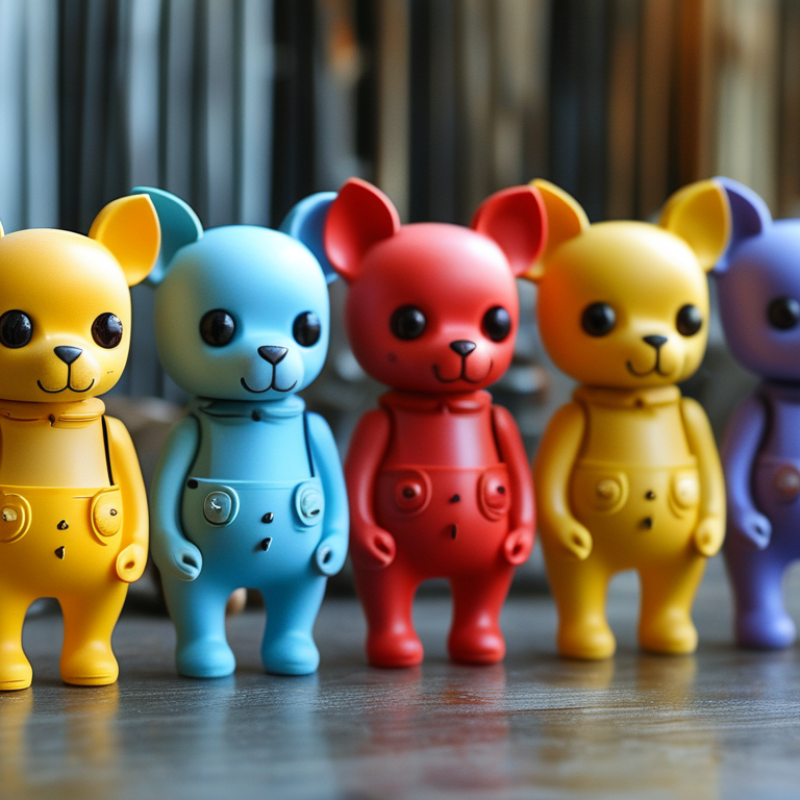
When considering custom vinyl toy manufacturing, several cost factors come into play. Material choices significantly influence pricing. High-quality vinyl may cost more initially but ensures durability. Colors and finishes also impact expenses. Unique designs may require specialized molds, increasing the overall investment.
Labor costs are another critical factor. Skilled artisans are essential for detailed production. The complexity of the design can dictate the time spent on creation. Therefore, some projects may take longer, impacting the overall budget. Additionally, production location matters. Labor costs vary significantly across regions.
Lastly, shipping and logistics should not be overlooked. International shipping can lead to unexpected costs. Packaging impacts not only aesthetics but also shipping weight. It's a delicate balance to strike. Reflecting on these factors can guide creators in budgeting more effectively for their custom vinyl toys. Understanding these nuances promotes a deeper appreciation for the craftsmanship involved and the financial planning required.
Creating custom vinyl toys involves exploring initial design and prototyping expenses. This stage is critical and can greatly impact your overall budget. Designers often face challenges in translating concepts into tangible prototypes. Costs can vary widely based on complexity, size, and desired features of the toys.
Design expenses may include hiring a skilled illustrator or a 3D modeler. These professionals can create detailed visual representations. However, sourcing the right talent can be tricky. Pricing may vary, and inexperienced designers might not meet expectations. It’s essential to establish clear communication. Provide feedback at every stage to minimize the need for costly revisions.
Prototyping is another area to consider. The initial prototype might be made of low-cost materials. This allows for quick iterations based on feedback. However, if you aim for high-detail prototypes, the expenses will increase significantly. It's a delicate balance between quality and costs. Evaluate various materials and methods. Understanding every detail helps avoid costly mistakes later in production. Engaging in this thoughtful process can be rewarding, despite its challenges.
When manufacturing custom vinyl toys, choosing the right materials and production techniques is critical. In 2026, the global market for vinyl toys is expected to reach approximately $4 billion, with a growing emphasis on sustainability and safety. Most manufacturers prioritize non-toxic PVC or biodegradable alternatives. Recent data suggests that around 68% of consumers prefer eco-friendly products. This shift demands new strategies for sourcing materials that align with market trends.
Production techniques significantly impact both quality and costs. Traditional injection molding continues to be the most widely used method. This approach allows for high precision in detailing but can be expensive. In contrast, 3D printing is gaining traction. It offers flexibility in design and can drastically reduce lead times. Reports indicate that 3D printing costs can be up to 30% lower than conventional methods for small runs. However, the trade-off often lies in the finish quality and durability of the toys produced this way.
While manufacturers strive to innovate, challenges remain. Sourcing sustainable materials can create production delays. Also, balancing cost and quality is sometimes difficult. Brands must be aware of the trade-offs, as consumer expectations continue to rise. It is crucial to remain adaptable to these dynamics while ensuring product quality and safety.
In 2026, the landscape of custom vinyl toy manufacturing is evolving. Labor costs play a significant role in determining overall production prices. As economies fluctuate, wages can rise, often leading to increased costs for manufacturers. For instance, skilled labor in design and production is becoming more expensive. The demand for quality craftsmanship reflects in the pricing structure.
However, labor costs are not the only factor. Supply chain dynamics and material prices also contribute to the final cost of custom vinyl toys. In some regions, an increase in labor rates results in a ripple effect on material sourcing. Companies often face challenges in finding skilled workers who meet their quality standards. This situation can lead to delays and heightened expenses.
Yet, not all aspects are negative. Increased labor costs can drive innovation. Manufacturers may invest in technology to improve efficiency. Balancing these costs while maintaining product quality is essential. Ultimately, the current labor market poses hurdles but also opportunities for growth and refinement in the industry. Understanding these dynamics is crucial for anyone considering entering this vibrant market.
| Cost Category | Estimated Cost (USD) | Notes |
|---|---|---|
| Material Costs | $2.00 - $5.00 | Includes vinyl resin, paint, and other materials. |
| Labor Costs | $1.50 - $3.00 | Costs vary by region and skill level. |
| Design Fees | $1,000 - $3,000 | Depending on complexity and designer experience. |
| Production Setup Costs | $500 - $1,500 | Initial setup for molds and equipment. |
| Shipping and Handling | $0.50 - $1.00 per unit | Cost depends on destination and bulk shipping. |
Shipping and distribution costs for custom vinyl toys in 2026 are key factors for manufacturers. These costs will largely depend on the production location and the destination market. Factories located near major shipping ports can reduce transportation expenses. However, relying solely on proximity can lead to higher manufacturing costs. This balance requires careful consideration.
Another important aspect is the choice of shipping methods. Air freight is faster but more expensive. Ocean freight offers savings, but it takes longer. Manufacturers need to assess their target audience's demand and delivery time expectations. Understanding these preferences can shape shipping strategies. Tracking logistics efficiently may reveal that small delays cause major setbacks in customer satisfaction.
It is essential to stay informed about potential changes in shipping regulations. Tariffs and customs duties can unexpectedly inflate overall expenses. Transparency and accurate forecasting are vital for success in this industry. Manufacturers must also consider sustainable practices. Using eco-friendly packaging could attract more customers. However, those options might increase initial costs and require thoughtful planning. Being adaptable and open to these challenges can lead to better results.
: Material choices, labor costs, shipping, and design complexity all impact pricing.
Higher quality vinyl costs more but offers better durability. Colors and finishes also add to expenses.
Skilled artisans are needed for detailed production. Their wages vary by region, affecting overall costs.
Clear communication with designers is key. Provide feedback to prevent costly revisions later.
Initial prototypes may use low-cost materials for quick feedback. High-detail prototypes will increase costs.
Yes, manufacturers may invest in technology to improve efficiency despite rising expenses.
Shipping costs can be unpredictable, affecting overall budget. Packaging also influences shipping weight.
Understand all cost factors in detail. Engage in a thoughtful design and prototyping process.
The demand for quality craftsmanship is high. This can cause delays and increased costs due to shortages.
Rising wages and material costs can lead to a higher price structure in the industry.
In exploring the question of "How much does it cost to manufacture a custom vinyl toy?", various cost factors play a crucial role. This includes understanding the initial design and prototyping expenses, which can significantly influence the overall budget. The choice of materials and production techniques also directly affects the pricing, as different approaches have different cost implications. Labor costs remain a key component as they can vary depending on the complexity of the toy and the manufacturing location.
Additionally, shipping and distribution costs are essential to consider in 2026, as they may fluctuate due to changes in logistics and global supply chains. Overall, calculating the total manufacturing costs for custom vinyl toys involves a careful assessment of these interconnected factors to arrive at a comprehensive budget.

Kasten Toys