 Kasten Toys
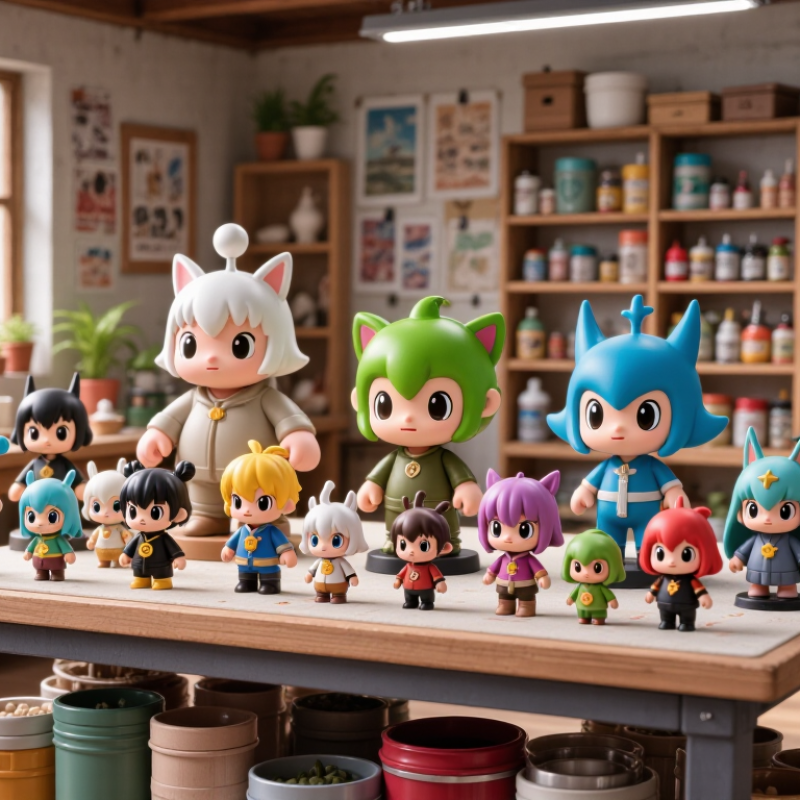
Can I Legally Sell Custom Copyrighted Character Toys in 2026?
A custom character toy may become a derivative work when it transforms protected character expression. That can include recognizable facial features, clothing, symbols, colors, or body proportions. Copyright usually does not protect a general idea, such as “a cheerful space creature.” It can protect the character’s specific visual expression.
Changing the pose may not be enough. A hand-painted figure with a new jacket can still preserve the original character’s essential appearance. Owning the physical toy also does not transfer reproduction or adaptation rights. A sales disclaimer does not magically change that. Commercial sales create additional risk, especially when the toy is marketed as a recognizable character.
The business stakes are substantial. Licensing International’s 2024 Global Licensing Industry Study reported approximately 356.5 billion dollars in global licensed merchandise and services retail sales for 2023, a 4.6% increase from the previous year. That growth explains why rights holders monitor customized products closely. It also shows why permission matters.
Legal outcomes depend on jurisdiction, the source material, the amount copied, and the product’s purpose. Fair-use analysis can be uncertain. Courts may examine commercial intent, market substitution, and creative changes. I would document every original design decision, avoid copied logos and signature details, and seek a written license before selling. The boundary can feel subjective. That is precisely where mistakes become expensive.
