7 Best Ways to Protect Your Original Toy Design from Copying?

Time:2026-09-24 Author:Liam
0%

A toy design can begin as a pencil sketch, a clay model, or a rough prototype on a crowded workbench. Then it may become a product worth sharing with factories, partners, or potential buyers. That is often when questions about copying become real. How to protect my original toy design from being copied? The answer is rarely one document or one clever trick. Protection usually comes from practical steps taken early and consistently.

This guide explores seven useful ways to reduce copying risks, from keeping dated design records to choosing carefully what you disclose. Clear photos of each prototype, saved drafts, and written notes about design changes can help establish how your work developed. Before sending files, consider whether the recipient needs every detail. A manufacturer may need measurements, but not your entire product roadmap. Small choices matter.

Still, no method guarantees that nobody will imitate an idea. That is worth saying plainly. Design rights, registration options, and enforcement rules differ by country, and not every feature qualifies for the same protection. A qualified intellectual-property professional can assess your specific design and location. Even experienced creators sometimes share too much too soon; I have seen how an ordinary email attachment can travel farther than expected. The goal is not perfect security. It is to make ownership clearer, reduce avoidable exposure, and prepare a sensible response if a copy appears.
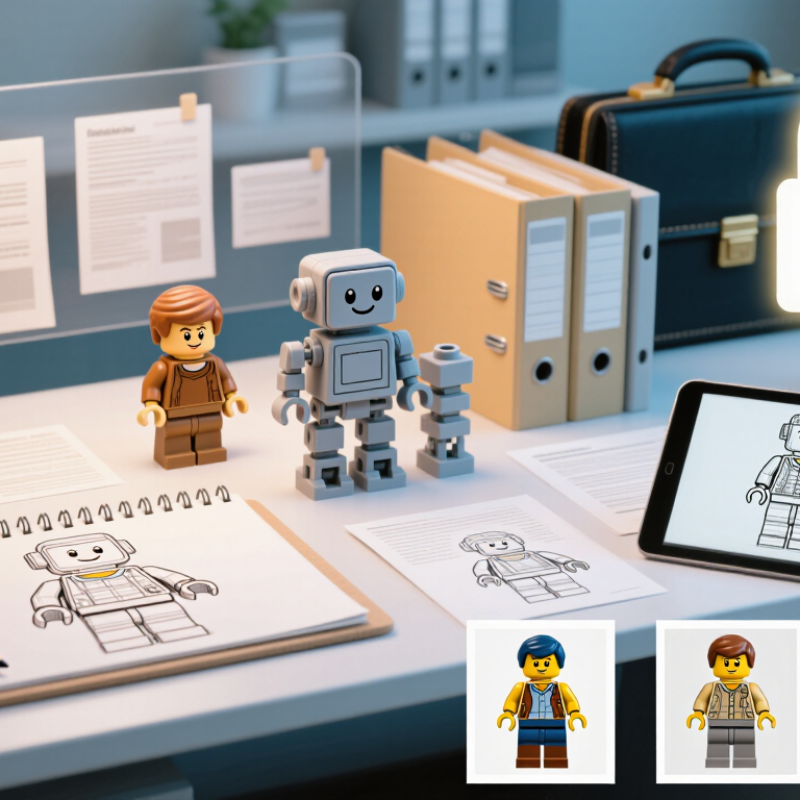
7 Best Ways to Protect Your Original Toy Design from Copying?

Define What Is New: WIPO Counted 1.5 Million Industrial Design Applications in 2023

With 1.5 million industrial design applications filed worldwide in 2023, originality needs a clear boundary. WIPO’s World Intellectual Property Indicators 2024 reports this volume, underscoring how crowded the design landscape has become. For a toy, “new” should mean more than a familiar animal with a different color. Identify the visible features that make your design distinct: perhaps a rounded tail, an unusual wheel arrangement, or a specific pattern of raised scales.

Separate appearance from function. A toy’s shape, surface decoration, and arrangement of parts may be relevant to industrial design protection, while a mechanism may raise different intellectual property questions. Record the design’s development with dated sketches, CAD files, and photographs of physical models. Include close-ups of small details, such as the curve of an ear or the placement of a seam. These records help explain what changed and when. They are not proof of protection by themselves.

WIPO’s statistics make one point plain: many creators are seeking ways to protect product appearance. But an application count does not tell you whether a particular toy qualifies or how broad protection might be. That part takes careful review. Compare your design against existing products and published design records before investing in tooling or packaging. It is easy to overlook a tiny feature that carries the design’s identity. It is also possible to claim too much; a plain, honest comparison is more useful than wishful thinking.

File for Design Patents: USPTO Protection Lasts 15 Years from Grant

A design patent can help protect the ornamental features of a toy, such as its silhouette, surface pattern, or distinctive arrangement of parts. In the United States, a granted design patent generally lasts 15 years from the grant date. That clock does not start when you sketch the concept or submit an application.

Protection has boundaries. A design patent focuses on how an eligible product looks, not how it works. If a toy’s shape is functional, or its appearance is only a small variation on existing designs, protection may be limited. Keep dated sketches, prototype photos, and records showing how the design developed. These details can help you and your patent professional assess what is genuinely new.

Timing matters. Publicly showing a prototype, posting detailed product images, or offering a toy for sale may affect your options, so get qualified advice before disclosure. The application process also requires precise drawings from multiple views; a missing seam or unclear curve can change what the application covers. Not every feature needs protection. Choose carefully. A granted patent is useful, but it does not automatically stop every lookalike, and enforcing rights can take time and money.

Register in Key Markets: EU Designs Can Be Renewed for Up to 25 Years

A toy’s silhouette, molded details, and package-facing appearance can be copied quickly. Registering an EU design can help protect its visible appearance across the European Union. EUIPO registration lasts five years and can be renewed in five-year periods, up to 25 years. That long term can matter when a toy remains in production beyond one season. It is not automatic, though: renewal deadlines need careful tracking, and the design must meet applicable protection requirements.

The commercial stakes are substantial. WIPO’s World Intellectual Property Indicators 2024 reports that industrial design applications worldwide rose 2.8% in 2023, reaching about 1.5 million designs. This figure covers many industries, not toys alone, but it shows how widely businesses use design rights. Before filing, photograph the toy from clear angles and retain dated sketches, prototypes, and revision notes. These records help clarify what appearance you created and when. A rushed filing can leave important visual features out; I would not assume every detail is covered.

Tips: Check whether your main sales markets justify separate filings. EU protection does not automatically cover countries outside the EU. Set calendar reminders well before each renewal date, and ask a qualified design professional to review the application. A small overlooked feature can become a big regret.

7 Best Ways to Protect Your Original Toy Design from Copying? - Register in Key Markets: EU Designs Can Be Renewed for Up to 25 Years

Protection method What it can protect Key facts Practical step
1. Register an EU design A toy’s visible appearance, such as its shape, lines, contours, colours, texture, materials, or ornamentation. An EU registered design lasts for an initial five years and can be renewed in five-year periods, up to a maximum of 25 years. Prepare clear views showing the design’s appearance and file before public disclosure where possible. Consider whether the registration should cover one or more relevant markets.
2. Consider unregistered EU design protection The appearance of a qualifying design first made available to the public in the EU. EU unregistered design protection generally lasts three years from the date the design is first made available to the public in the EU. It is directed against copying, rather than independent creation. Keep dated records of the first public disclosure and the design versions shown. Do not assume this right provides the same protection as registration.
3. Register distinctive names and logos as trademarks A distinctive toy name, logo, or other sign used to identify the commercial source of goods. An EU trademark registration is valid for ten years and may be renewed for further ten-year periods. A trademark generally protects the sign, not the toy’s overall appearance. Check that the proposed sign is distinctive and search for relevant earlier rights before filing in the appropriate goods categories.
4. Secure copyright in original creative work Original artistic or graphic expression, such as illustrations, packaging artwork, or character drawings, where the applicable legal requirements are met. In many jurisdictions, copyright arises automatically when a qualifying work is created; registration rules and protection for product designs vary by country. Retain dated sketches, source files, drafts, and authorship records. Confirm ownership where work was created by employees or contractors.
5. Assess patent protection for technical features A genuinely technical invention, such as a novel mechanism or functional improvement, rather than appearance alone. Patentability requirements differ by jurisdiction and commonly include novelty and inventive step. Public disclosure before filing can affect patent rights. Seek patent advice before demonstrations, sales, or online publication if the toy includes a potentially patentable technical solution.
6. Use written contracts and confidentiality measures Confidential prototypes, technical files, and project information shared with manufacturers, designers, or other collaborators. A contract can set confidentiality, permitted-use, and intellectual-property ownership terms. Contractual protections do not replace registered rights. Put ownership and confidentiality terms in writing before sharing sensitive materials, and limit access to people who need it.
7. Keep evidence and monitor the market Evidence supporting creation dates, ownership, disclosures, registrations, and possible copying. Clear records can help establish timelines and support enforcement, but do not by themselves create exclusive rights. Store dated design files, filing receipts, contracts, and product photographs. Periodically review relevant marketplaces and seek local legal advice if a dispute arises.

Note: Intellectual-property rights, filing requirements, and enforcement procedures vary by jurisdiction. This table is general information, not legal advice.

Protect Hidden Know-How: Keep Toy Designs and Prototypes Confidential

A toy’s value can sit in details that never appear in a patent drawing: a flexible hinge, a hidden latch, or the exact mix of materials. Treat sketches, CAD files, supplier notes, and physical prototypes as confidential assets. Mark sensitive files, restrict access to named project members, and share only the version each partner needs. Use written confidentiality terms before sending samples or specifications. A label alone is not protection.

The risk is practical. IBM’s 2024 Cost of a Data Breach Report found a global average breach cost of US$4.88 million across industries. That figure is not specific to toy makers, but it shows why basic controls matter. Store design files in access-controlled folders, enable multifactor authentication, and remove access when a contractor’s task ends. Keep a dated record of prototype handoffs. Small workshops can overlook this step. It happens.

Tips Photograph each prototype from several angles, including the underside and internal parts. Add a version number and date. Send watermarked previews instead of editable files, and use secure file sharing rather than open links. Keep one offline backup. Review who can access it every month; honestly, that schedule may slip, so assign one person to own the check. A simple, consistent routine is more useful than a complicated policy nobody follows.

Document, Monitor, and Enforce: Track Copies Across Marketplaces and Trade Fairs

Protecting an original toy design requires evidence before a copy appears. Keep dated sketches, CAD files, prototypes, packaging drafts, and supplier approvals in a secure archive. Photograph each version beside a ruler or identifying detail. Record who created it and when. Small details matter. The OECD and EUIPO estimated that counterfeit goods represented up to 2.5% of world trade in 2019, worth about US$464 billion. That broad estimate covers many product categories, but it shows why consistent records are useful.

Monitor marketplaces with saved searches for distinctive shape features, product names, and image matches. Keep dated screenshots, listing links, seller details, and purchase records when appropriate. Review results on a schedule; a single search can miss new listings. At trade fairs, photograph public displays where permitted, and note booth locations, dates, and visible product features. Be precise. Similar designs are not always copied designs, so compare specific details before making a claim.

When a possible copy appears, preserve the evidence before contacting the platform or event organizer. A clear file makes review easier: original design records, side-by-side images, dates, and the listing or booth information. Ask qualified intellectual-property counsel to assess uncertain cases. Enforcement can take time, and documentation may still have gaps. Keep improving the process after each incident.

7 Best Ways to Protect Your Original Toy Design from Copying

Document your design, assess available IP rights, register where appropriate, monitor online marketplaces and trade fairs, preserve evidence, report infringements, and seek professional advice when needed.

Reading the chart: Registered designs can be renewed in five-year periods, subject to local rules. The chart shows maximum potential terms, not a guarantee of protection. EU and UK registered designs may last up to 25 years; a U.S. design patent generally lasts 15 years from grant for applications filed on or after May 13, 2015. These rights are territorial and protect different aspects of a design. Sources: EUIPO, UK Intellectual Property Office, and USPTO.

FAQS

How long can an EU-registered toy design be protected?

Registration lasts five years and can be renewed in five-year periods, up to 25 years. Renewal is not automatic.

What records should designers keep before filing?

Save dated sketches, prototypes, CAD files, and revision notes. Photograph the toy from clear angles. These details help show what you created and when.

Does EU design protection cover countries outside the European Union?

No. EU protection does not automatically extend beyond the EU. Check whether your other sales markets need separate filings.

What should an application show about a toy’s appearance?

Include clear views of important visible features, such as its silhouette and molded details. A rushed filing may leave something out.

How can a business monitor possible copies online?

Set scheduled searches for distinctive shapes, product names, and matching images. Save screenshots, listing links, seller details, and relevant dates.

What evidence is useful at a trade fair?

Where permitted, photograph public displays and record booth locations, dates, and visible product features. A booth note alone may not be enough.

Should every similar toy be treated as a copy?

No. Compare specific design details before making a claim. Similarity can be misleading; a second review may change your view.

What should you do when a possible copy appears?

Preserve evidence first, including dated records, side-by-side images, and listing or booth information. Then seek qualified intellectual-property advice if the case is uncertain.

Why are design records commercially useful?

Records can make a review easier and clarify the design’s history. They may still have gaps, so improve the archive after each incident.

Conclusion

Protecting an original toy design starts with identifying what is genuinely new, such as its shape, appearance, or distinctive visual details. With 1.5 million industrial design applications counted worldwide in 2023, clear records of the design’s creation can help establish what makes it original. Consider filing for design patent protection where available; in the United States, protection can last 15 years from the grant date. For products sold internationally, registration in key markets matters too: qualifying European Union designs may be renewed for up to 25 years.

To answer “How to protect my original toy design from being copied?”, combine formal protection with practical safeguards. Keep sketches, prototypes, and manufacturing details confidential, and limit access to people who need them. Maintain dated design files and product records, regularly check online marketplaces and trade fairs for close copies, and seek professional guidance if you find a potential infringement. These steps can help protect creative work while supporting informed decisions as the toy moves from concept to market.

Liam

Liam

Liam is a dedicated marketing professional with a profound expertise in the industry, where he excels at highlighting the unique advantages of our core products. With a keen understanding of market trends and consumer needs, Liam frequently updates our company’s professional blog, providing......